



CBN is the cannabinoid the entire nighttime product category is built around, and the honest answer to whether it helps you sleep is: the science is early, the user reports are real but informal, and no brand can truthfully promise you an outcome. CBN is mildly psychoactive, it is most often blended with CBD in evening products, and the famous claim that it is sedating rests on far thinner evidence than the marketing suggests. Here is where the sleep reputation came from, what the studies actually show, and how to try CBN for yourself without buying anyone’s hype, ours included.
Key Takeaways
- CBN’s sleep reputation traces to a handful of small 1970s studies, most testing CBN combined with THC, not alone.
- Modern research on CBN by itself is only starting, and the results so far are modest and mixed.
- Many users include CBN in an evening routine and describe it as a wind-down; that is user report, not clinical proof.
- CBN is mildly psychoactive, far weaker than THC. Most people report little to no high at product doses.
- The only verifiable facts about any CBN product are the milligrams on its batch COA. Start there, not with the moon on the label.
How CBN became “the sleep cannabinoid”
Walk any hemp aisle and the pattern is unmistakable: CBN products wear moons, stars, and midnight-blue packaging. Cannabinol, CBN, earned that positioning through an accident of chemistry and a few decades of folklore. CBN forms as THC ages and oxidizes, which means old cannabis is naturally high in it, and generations of users noticed that aged flower felt heavier and sleepier than fresh. That observation is real, but it has a confound baked in: old flower does not just gain CBN, it keeps plenty of its THC, and THC itself is sedating at the right dose and time. When the modern hemp market needed a nighttime hero, CBN inherited the job on the strength of that folklore plus a small stack of very old studies. We covered the compound itself, how it forms and what it is, in what does CBN do; this page is about the sleep question specifically, because it deserves a straight answer rather than a product pitch.
What the research actually says
The evidence base for CBN and sleep is small enough to summarize honestly in one paragraph. The foundational citations are studies from the 1970s with tiny sample sizes, one famously involving five people, and most of them tested CBN together with THC. In those combination studies, participants reported feeling more sedated than with THC alone, which is suggestive but cannot isolate what CBN did by itself. Studies of CBN alone from the same era generally found little to no sedative effect. Modern work is only now returning to the question: a small number of recent trials on CBN and CBN-plus-CBD formulations have reported modest improvements in some sleep measures and no significant effect in others. That is the whole record. It does not say CBN is useless, and it does not contradict the people who swear by their evening gummy; it says the science has not caught up to the category built on top of it. Any page that tells you CBN is a proven sleep aid is quoting marketing, not research, and we would rather rank with the truth than borrow a claim we cannot back.
What users actually report
Set the lab coats aside and the picture gets warmer, though no more clinical. Across years of reviews and forum threads, the common report from people who use CBN blends at night is a sense of winding down: not a knockout, not a high, more a settling that makes the transition to bed easier. Some people report nothing at all. A smaller group reports feeling it strongly, usually with combination products where CBD, CBN, and trace THC are working together. Three honest notes belong next to that. First, evening cannabinoid products are usually taken in a routine already built for sleep, dim lights, end of the day, and routines themselves do real work. Second, the placebo effect on sleep is well documented and nothing to sneer at. Third, individual responses to cannabinoids genuinely vary, so your experience is the only data point that settles the question for you. User report is evidence of a kind; it is just not the kind that supports a medical claim, which is why we never make one.
CBN vs melatonin: different tools
The comparison every shopper eventually makes is with melatonin, the non-cannabinoid default of the sleep aisle. They are not versions of the same thing. Melatonin is a hormone your body already produces to signal that it is nighttime; supplemental melatonin leans into that signal and has decades of research behind it, along with a well-known groggy-morning complaint at higher doses. CBN is a cannabinoid acting on an entirely different system, with a far thinner research record and, in most user accounts, a gentler character. Plenty of nighttime products now blend the two, which tells you the category itself does not see them as competitors. The honest framing: melatonin is the better-studied tool, CBN is the one people choose when they want a cannabinoid-based routine or have found melatonin does not suit them. Neither is a sleep cure, and anyone selling either as one is past the edge of the evidence.
How CBN shows up in nighttime products
| Format | Typical makeup | What to check on the COA |
|---|---|---|
| Nighttime gummies | Fixed mg of CBD + CBN per piece | CBN line matches the label, per batch |
| CBN tinctures | CBN isolate or blend in carrier oil | mg per mL, full cannabinoid panel |
| Evening vapes | CBN blended with CBD or other minors | CBN percentage and contaminant panel |
| Full spectrum products | Small natural CBN alongside CBD | CBN appears but is not the featured dose |
Whatever the format, the pattern that matters is the same: a serious product states a specific CBN number and backs it with a batch lab report, because commercial CBN is a deliberately produced, precisely dosed ingredient, not a leftover. The gummy route is the most common first stop since the dose is fixed per piece; we wrote up that format, including what the evidence does and does not support, in do CBN gummies help sleep. And if you are still sorting CBN out from the cannabinoids it gets confused with, the comparisons live in CBD vs CBN and CBG vs CBN.
How to try CBN honestly
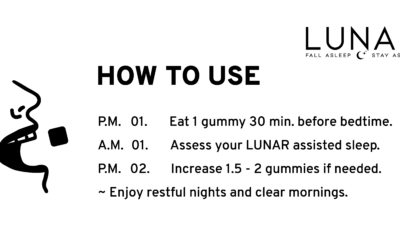
If the question interests you, the experiment is cheap to run well. Pick a product with a fixed, labeled CBN dose and a published batch COA, so you know exactly what you are testing. Most nighttime gummies on the market carry somewhere in the range of 5 to 30 mg of CBN per serving alongside CBD; start at the labeled serving rather than stacking it. Keep the rest of your routine steady for a week or two so you are testing the ingredient rather than a lifestyle change, and pay attention to how you feel in the evening and the next morning. If it earns a place in your routine, you will know without a blog post telling you; if it does nothing for you, that is a real result too and no bottle of moon-labeled anything should talk you out of it. Experience is the only study with a sample size of exactly you, and with a verified product it is a trustworthy one.
Where our CBN products fit
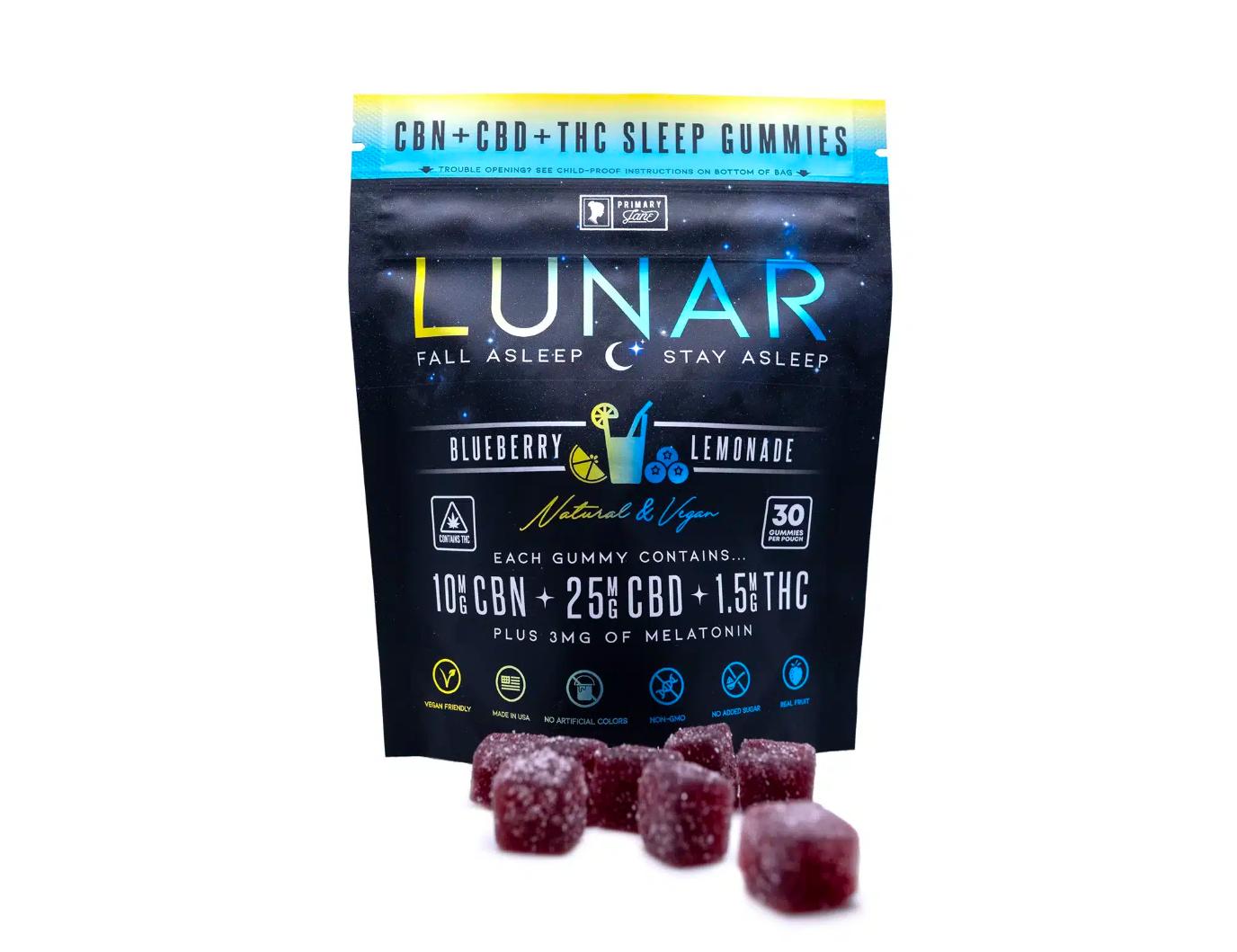
Our CBN offering is the LUNAR CBD + CBN gummy: CBD and CBN together at a fixed per-gummy dose, lab tested batch by batch, with the full panel published on the Lab Results page behind a QR code on every bag. We make no sleep promises for it, because nobody honestly can; what we promise is that the milligrams on the label are the milligrams in the gummy, verified by an independent lab, and that everything we publish about CBN, this page included, stays on the right side of the evidence. In a category this fond of moons and miracle language, that is the whole pitch.
FAQ
Does CBN help you sleep?
The research is early, small, and mixed, and we do not make sleep claims for any product. Many users include CBN in their evening routine and report it fits well there; whether it does for you is something only your own experience with a verified product can answer.
Is CBN stronger than melatonin for sleep?
They are different tools and the research record is not symmetrical: melatonin has decades of studies, CBN has a handful. Neither is a sleep cure. Some people prefer one, some the other, and plenty of nighttime products now blend both.
How much CBN is in nighttime products?
Most nighttime gummies and tinctures carry roughly 5 to 30 mg of CBN per serving, usually alongside CBD. The real answer for any specific product is its batch COA, which should state the CBN content exactly.
Does CBN make you groggy the next morning?
Grogginess is a common complaint with higher-dose melatonin; with CBN at typical product doses, most users do not report it, though individual responses vary. Starting at the labeled serving is the sensible way to find out how it treats you.
Will CBN get you high at night?
CBN is mildly psychoactive but far weaker than THC, and at the doses in nighttime products, the large majority of people report little to no high. Blends that also contain THC are a different story, which is one more reason to read the COA before bed rather than after.

0 Comments