


Third‑party lab testing provides independent, accredited analysis of cannabis‑derived products for potency, contaminants, and label accuracy.
This guide explains how these reports, especially Certificates of Analysis (COAs), confirm that CBD vapes, gummies, and live resin cartridges are safe, lawful, and match their labels.
Independent testing reduces consumer uncertainty by measuring cannabinoid profiles and screening for pesticides, heavy metals, residual solvents, mycotoxins, and microbes.
We’ll define third‑party testing, walk you through reading a COA, map common contaminants to lab techniques, explain potency analysis, and share a checklist for choosing transparent brands.
Key Takeaways
- Third-party testing confirms that CBD products are safe, accurately labeled, and free from harmful contaminants.
- Certificates of Analysis (COAs) from accredited labs verify potency, cannabinoid content, and compliance with legal THC limits.
- Independent labs test for pesticides, heavy metals, residual solvents, microbes, and mycotoxins using validated scientific methods.
- Always choose brands that publish batch-specific COAs with the lab’s name, accreditation, and testing methods clearly listed.
- Understanding how to read a COA empowers consumers to make informed, safe, and transparent CBD purchases.
What Is Third‑Party Lab Testing and Why It Matters for CBD Safety
Third‑party lab testing involves an independent laboratory examining product samples to confirm identity, purity, and potency.
This impartiality ensures reliable lab results, separate from in‑house checks. A COA links these results to a specific batch and analysis date, confirming CBD potency, identifying harmful contaminants, and helping brands meet THC and labeling rules. Understanding this process helps consumers spot credible reports and recognize red flags.
How Independent Lab Testing Works for CBD Products
Testing begins with representative sampling and a strict chain of custody.
Technicians record batch IDs, seal samples, and log transfers before running validated methods like HPLC for cannabinoids, GC‑MS for solvents, and ICP‑MS for metals.
Qualified analysts review and authenticate results, publishing them in a COA that includes detection limits and units. This COA allows consumers and retailers to confirm batch‑level safety and potency, building product trust and supporting regulatory checks.
Why Third‑Party Testing Is More Trustworthy Than In‑House Testing
External labs avoid conflicts of interest, having no commercial incentive to skew results. Accredited third‑party labs follow standardized protocols and proficiency checks, enhancing reliability.
While in‑house testing may lack independent oversight, certifications like ISO/IEC 17025 indicate technical competence for external labs.
Consumers should verify the lab on the COA, match batch numbers, and ensure methods and analyst credentials are documented for credibility.
- Third‑party testing ensures safety, label accuracy, and regulatory compliance.
- Independent labs use validated methods to minimize bias and error.
- Look for COAs linked to batch numbers and lab accreditation for added confidence.
Learning to read COAs and check lab credentials is crucial for safe CBD purchases.
How to Read a CBD Certificate of Analysis for Safety and Potency
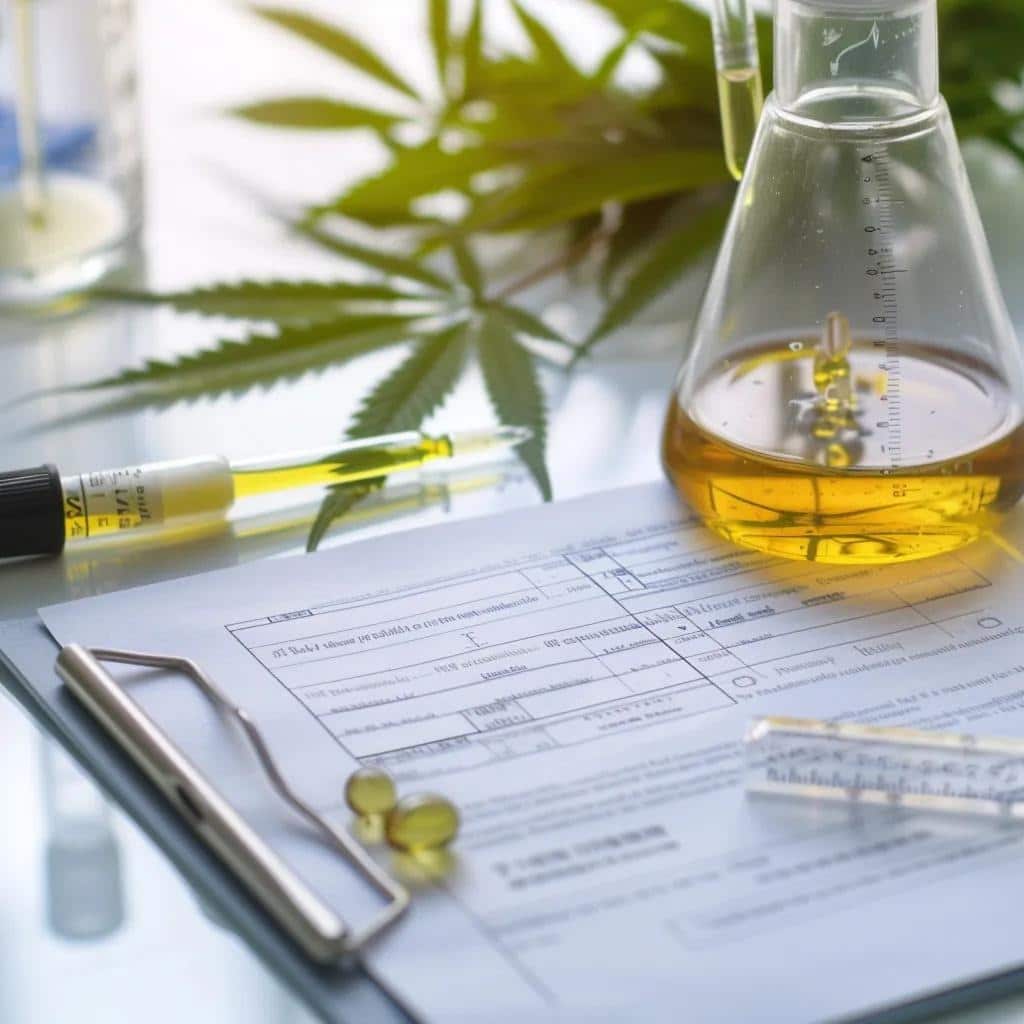
A Certificate of Analysis (COA) translates lab data into practical information, detailing cannabinoid panels, contaminant screens, terpene profiles, and sample identifiers.
Use it to confirm potency claims, legal THC limits, and the absence of harmful contaminants. Follow these steps to efficiently evaluate a COA:
- Check the header: Confirm lab name, accreditation, analyst signature, and sample ID matching the product batch.
- Read the cannabinoid panel: Compare reported CBD and delta‑9 THC (mg/g or %) to the product label.
- Review contaminant screens: Verify results for pesticides, heavy metals, residual solvents, microbes, and mycotoxins, noting LOQ/LOD and units.
- Confirm methods and detection limits: Ensure tests list analytical methods (HPLC, GC‑MS, ICP‑MS) and show “ND” (not detected) or numeric values with stated limits.
These steps help confirm a COA supports a product’s safety and potency claims.
| COA Section | What It Measures | How to Interpret |
| Header / Sample ID | Lab name, accreditation, batch number, date | Match batch number to product; verify lab accreditation; date should align with batch production |
| Cannabinoid Profile | CBD, THC, CBG, CBN, total cannabinoids (mg/g or %) | Compare CBD to label; confirm delta‑9 THC below legal limits; note “total THC” vs. delta‑9 |
| Contaminant Screen | Pesticides, heavy metals, residual solvents, microbes, mycotoxins | Values must be below regulatory limits; “ND” means not detected above LOQ/LOD |
| Methods & Limits | Analytical techniques and limits of detection | Look for method names (HPLC, GC‑MS, ICP‑MS) and LOQ/LOD for test sensitivity |
Understanding potency means converting units (mg/g or percent) to mg per serving to check label claims. “ND” means levels are below the lab’s detection limit.
For contaminants, compare numbers to regulatory limits and confirm appropriate methods. If values exceed limits or potency is inconsistent, avoid the product.
Which Contaminants Do Third‑Party Labs Test for in CBD Products?

Third‑party labs screen CBD products for pesticides, heavy metals, residual solvents, microbes, and mycotoxins.
Each class requires specific analytical techniques to prevent health effects. Knowing which method finds which contaminant helps you strategically read COAs.
| Contaminant | Typical Test Method | Health Risk / Concern |
| Pesticides (e.g., organophosphates) | LC‑MS/MS or GC‑MS | Neurological effects, endocrine disruption; regulated action limits apply |
| Heavy metals (lead, cadmium, arsenic, mercury) | ICP‑MS | Bioaccumulation leading to neurotoxicity, kidney damage; strict limits exist |
| Residual solvents (butane, ethanol, hexane) | GC‑MS / GC‑FID | Acute toxicity and respiratory irritation; solvents have ppm action limits |
| Microbial contaminants (E. coli, Salmonella, total aerobic count) | Culture & qPCR | Infection risk and spoilage; unacceptable in oral or topical products |
| Mycotoxins (aflatoxins) | LC‑MS/MS | Carcinogenic risk and liver toxicity; regulated at very low concentrations |
Pesticide panels use LC‑MS/MS or GC‑MS. Heavy metals are quantified by ICP‑MS. Residual solvents are detected using GC‑MS or GC‑FID, while microbial testing uses culture methods or qPCR.
Combining these methods provides a comprehensive safety profile. Consuming contaminated CBD can cause immediate issues like stomach upset or long‑term harms such as organ damage or carcinogenic exposure.
Mislabeled products may also contain undeclared THC, risking impairment or legal consequences, especially for vulnerable groups.
How Do Third‑Party Lab Tests Verify CBD Potency and Cannabinoid Profiles?
Potency checks use chromatographic methods like HPLC with DAD or MS detection for CBD and other cannabinoids.
GC‑MS can be used for volatile analytes. Labs report individual cannabinoids (CBD, delta‑9 THC, CBG, CBN, CBC) and totals in mg/g or percent, including LOQ/LOD.
Terpene testing (GC‑MS or GC‑FID) profiles aromatic compounds influencing flavor and the entourage effect.
Transparent methods on the COA are essential for dosing guidance and legal compliance.
| Analyte | Typical Test Method & Units | Why It Matters |
| CBD | HPLC‑DAD or HPLC‑MS (mg/g, %) | Confirms therapeutic dose per serving and supports label accuracy |
| Delta‑9 THC | HPLC or GC‑MS (mg/g, %) | Critical for legal compliance and impairment risk; must stay below jurisdictional limits |
| CBG, CBN, CBC (minor cannabinoids) | HPLC‑MS (mg/g) | Inform potential effects and the product’s entourage profile; useful for substantiating claims |
| Terpenes (myrcene, limonene, pinene) | GC‑MS (mg/g or % of volatile profile) | Drive aroma and flavour and may modulate effects alongside cannabinoids |
Common minor cannabinoids include CBG, CBN, and CBC. Typical terpene panels list myrcene, limonene, pinene, linalool, and caryophyllene.
Labs ensure compliance with legal THC limits by measuring delta‑9 THC with validated methods, reporting numeric values and LOQ/LOD.
COAs should clarify if figures represent total THC or delta‑9 only. If THC exceeds legal thresholds, products should be recalled or relabeled.
How to Choose a Reputable CBD Brand Based on Lab Testing and Transparency
Choose brands that make verification easy: they should publish batch‑specific COAs, name the testing lab, and share methods. Brands linking COAs to product batch numbers allow quick authenticity confirmation.
Quick verification checklist:
- COA availability: COAs are public and tied to product batch numbers.
- Lab accreditation: The testing lab lists accreditation (e.g., ISO/IEC 17025) and method validation.
- Method transparency: COAs show analytical methods, LOQ/LOD, and analyst verification.
Accreditation like ISO/IEC 17025 indicates a lab follows recognized competence standards, reducing procedural error risk.
Always confirm the accreditation specifically covers the tests listed on the COA.
To verify COA authenticity, match the sample ID and batch number to your product, check the COA date, and confirm the lab name and analyst.
Request the exact COA for your unit using a batch number or QR code, and avoid products with incomplete reports.
- Verify the batch number and COA date match your product.
- Confirm the lab name, accreditation, and methods listed on the COA.
- Request a batch‑specific COA from the brand if public reports are missing.
These checks reduce the risk of buying mislabeled or contaminated products.
The Future of CBD Lab Testing: Trends and Advanced Methods
CBD testing is evolving with broader analytic panels, higher‑resolution mass spectrometry for trace contaminants, and improved digital traceability
Regulatory standardization and automation will boost COA reliability and speed, while technologies like blockchain can strengthen product-report links. These advances will increase consumer confidence and support safer product innovation.
Emerging trends to watch:
- Expanded cannabinoid and terpene panels for novel analytes.
- High‑resolution mass spectrometry for better sensitivity to trace contaminants.
- Digital traceability (QR codes linked to immutable COA records) for clearer provenance.
These developments promise more complete testing and transparent reporting.
Advanced Technologies Improving Safety and Transparency
High‑resolution mass spectrometry detects contaminants at lower concentrations. Digital traceability systems link product batch numbers to COAs, reducing fraud. Laboratory information management systems (LIMS) and automation enhance chain‑of‑custody, reduce human error, and speed reporting, making transparency easier for brands and reliable COAs more accessible for consumers.
Why Understanding Third‑Party Lab Testing Benefits Consumers in the Growing CBD Market
Understanding third‑party testing helps you choose safer products, verify potency, and avoid undeclared THC or contaminants.
It empowers you to demand COAs, prefer accredited labs, and prioritize brands that publish batch‑linked reports.
This informed approach improves personal outcomes and raises market accountability.
Market Trends Driving Demand for Verified Safe CBD Products
From 2023-2025, consumers increasingly demand transparency and verified safety, especially for edibles and inhalables. As product formats diversify, rigorous testing covering solvents, pesticides, and accurate potency for each delivery type becomes crucial.
Retailers and consumers now expect batch‑specific COAs, pushing brands to adopt accredited testing and publish detailed reports to remain competitive.
How Transparency in Lab Testing Builds Trust and Confidence
Visible COAs, clear method disclosure, and accreditation reduce perceived risk, allowing trusted brands to command a premium.
Third‑party verification creates a virtuous cycle: reliable reports strengthen reputation, encourage better manufacturing, and raise industry testing standards.
For shoppers, the action is straightforward: request the COA, confirm batch linkage and methods, and prioritize products tested by accredited labs to maximize safety and effectiveness.
Conclusion
Third‑party lab testing is the clearest way to confirm a CBD product’s potency and safety. By prioritizing brands that publish transparent, batch‑specific COAs from accredited labs, you make informed buying decisions that protect your health.
Demand transparency, check COAs, and choose products demonstrating consistent testing and clear reporting.
Explore our trusted range of CBD products – each backed by verified lab results – and feel confident in the quality you’re buying.
Frequently Asked Questions
What types of CBD products are commonly tested by third-party labs?
Third-party labs typically test a variety of CBD products, including oils, tinctures, gummies, capsules, and vape cartridges. Each product type may require specific testing methods to ensure safety and potency. For instance, oils and tinctures are often analyzed for cannabinoid profiles and contaminants, while edibles like gummies must also meet food safety standards. By testing these products, labs help consumers verify that they are purchasing safe and accurately labeled items, regardless of the format.
How can I interpret the cannabinoid profile on a COA?
The cannabinoid profile on a Certificate of Analysis (COA) provides detailed information about the concentrations of various cannabinoids present in the product, such as CBD, THC, CBG, and CBN. To interpret this profile, compare the reported values (in mg/g or %) against the product label claims. Ensure that the total THC content complies with legal limits in your jurisdiction. Understanding these values helps consumers assess the product’s potency and therapeutic potential, guiding informed purchasing decisions.
What are the implications of high levels of contaminants in CBD products?
High levels of contaminants in CBD products, such as pesticides, heavy metals, or microbial pathogens, can pose serious health risks. For example, pesticides may lead to neurological issues, while heavy metals can cause long-term organ damage. Microbial contamination can result in infections, especially in products intended for oral or topical use. Consumers should avoid products with detected contaminants above regulatory limits, as these can lead to immediate health concerns or chronic health issues over time.
Are there specific regulations for CBD testing in other countries?
Yes, regulations for CBD testing vary significantly across countries. For instance, in the European Union, products must comply with strict safety and labeling standards, including testing for contaminants and accurate cannabinoid content. In the United States, regulations can differ by state, with some states requiring third-party testing while others do not. Understanding the regulatory landscape in your country is crucial for ensuring that the CBD products you purchase are safe and compliant with local laws.
What role does consumer demand play in the quality of CBD products?
Consumer demand plays a significant role in the quality of CBD products. As consumers increasingly seek transparency and safety, brands are motivated to adopt rigorous testing practices and publish detailed Certificates of Analysis (COAs). This shift encourages manufacturers to prioritize quality control and compliance with regulations. In turn, higher consumer expectations can lead to improved industry standards, fostering a market where only reputable brands thrive, ultimately benefiting consumers with safer and more effective products.
How can I stay informed about changes in CBD testing regulations?
Staying informed about changes in CBD testing regulations can be achieved through various means. Subscribing to industry newsletters, following regulatory bodies like Health Canada or the FDA, and joining consumer advocacy groups can provide timely updates. Additionally, attending industry conferences and webinars can offer insights into emerging trends and regulatory changes. Engaging with reputable sources ensures that you remain knowledgeable about the evolving landscape of CBD regulations, helping you make informed choices as a consumer.
What should I look for in a Certificate of Analysis (COA)?
Ensure the COA shows the lab’s name, accreditation, and sample ID matching your product. Review the cannabinoid profile for CBD and THC levels. Check contaminant screens for pesticides, heavy metals, and microbial limits. The methods section should list techniques (HPLC, GC‑MS, etc.) and detection limits. A complete COA is essential for verifying safety and potency.
How often should CBD products be tested by third‑party labs?
Ideally, every production batch should be tested for consistent quality and safety. Regular batch testing catches variations in potency or contamination. Transparent brands publish COAs for each batch, building trust and meeting regulatory expectations.
Can I trust a COA from a non‑accredited lab?
A COA from a non‑accredited lab offers some information, but accreditation adds crucial credibility. Accredited labs (e.g., ISO/IEC 17025) follow strict quality and testing standards for accurate, unbiased results. Without accreditation, there’s a higher risk of errors. For peace of mind, prefer products tested by accredited laboratories.
What are the health risks of consuming untested CBD products?
Untested products can expose you to pesticides, heavy metals, and microbial pathogens, causing health issues from gastrointestinal upset to long‑term organ damage. They may also contain undeclared THC, leading to impairment or legal problems. Choose products with thorough third‑party testing to reduce these risks.
How can I tell if a CBD brand is reputable?
Look for transparent testing practices: accessible COAs tied to batch numbers, clearly stated lab accreditation, and detailed testing methods. Check the lab’s reputation and read reviews. Brands that publish full, batch‑specific COAs and respond to testing questions are more likely to be dependable.
What should I do if I find discrepancies in a COA?
If a COA shows mismatched batch numbers or missing details, contact the brand for the exact report and method information. If they can’t provide a satisfactory answer, avoid their products. You can also report suspected non‑compliance to regulators to protect other consumers.

0 Comments