



The color of live resin is far more than just an aesthetic trait – it is a visual roadmap of the extract’s history, chemistry, and quality. Ranging from pale, translucent gold to rich, deep amber, these hues provide critical clues about the freshness of the starting material and the precision of the extraction process.
Understanding these variations empowers consumers to look beyond the surface and assess the integrity of their botanical products. Factors such as terpene concentration, oxidation levels, and even the specific genetics of the plant all play a role in the final color.
In this guide, you’ll explore the science behind live resin color, how to interpret different shades, and what specific “red flags” to watch for when selecting a premium concentrate like Pure GOLD™ Live Resin.
Key Takeaways
- Terpene Transparency: Lighter, golden hues often indicate a high concentration of preserved monoterpenes and minimal exposure to heat.
- Natural Diversity: Some strains naturally produce darker oils due to unique anthocyanins (pigments) and complex terpene profiles – color isn’t always a direct map of quality.
- Oxidation Warning: A shift from gold to dark brown over time is a primary sign of oxidation, which can lead to a loss of flavor and the degradation of cannabinoids.
- Cold-Chain Evidence: Vibrant, light colors are often proof of a successful cold-chain extraction process that kept the plant material frozen from harvest to lab.
- Testing Over Tint: While color is a great starting point, always verify quality through a third-party Certificate of Analysis (COA).
What Is Live Resin and How Does Its Color Reflect Quality?
Live resin is a premium concentrate made from fresh-frozen hemp. By bypassing the drying and curing stage, extractors “freeze” the plant’s chemical profile at its absolute peak. This results in a product that is exceptionally rich in volatile compounds.
The color of live resin serves as a snapshot of this preservation. Because the extraction happens at sub-zero temperatures, the oil should ideally retain a bright, vibrant appearance. When a live resin is light and clear, it suggests that the delicate trichomes were handled with care and that the “living” chemistry of the plant remains intact.
How Color Indicates Freshness and Terpene Preservation
In the world of concentrates, light is often associated with “fresh.” Pale yellows and light golds typically signify that the monoterpenes – the most delicate aromatic molecules – have been successfully captured.
If the resin is significantly darker than expected for a specific strain, it may suggest that the plant material was older or that the extraction was performed at higher temperatures, which can darken the oil. For anyone shopping for live resin carts, color is one of the first visual cues worth paying attention to.
Factors That Influence Live Resin Color Variation
It is a common misconception that all premium live resin must be nearly clear. In reality, several biological and technical factors dictate the final shade.
Starting Material Genetics and Harvest Time
The genetics of the strain are the first factor. A sativa-dominant strain with high limonene might naturally produce a lighter oil, while a deep “purple” indica rich in anthocyanins may result in a slightly darker, more amber hue. Furthermore, harvesting later in the flowering window – when the trichomes have turned from milky to amber – will naturally result in a darker concentrate.
Extraction Methods and Temperature Control
The extraction solvent and temperature are the most critical variables. Cryogenic extraction (using solvents chilled to -40°C or lower) prevents the pulling of darker plant pigments like chlorophyll and lipids. If the extraction runs warm, the solvent becomes less selective, pulling in more dark compounds and resulting in a deeper, murkier color.
Understanding Oxidation: Why Live Resin Darkens Over Time
Just like an apple turns brown when sliced and left on the counter, live resin reacts to oxygen. This process, known as oxidation, is the primary reason for color change after production.
The Impact of Light, Heat, and Oxygen
When live resin is exposed to air, the chemical structures of terpenes and cannabinoids begin to shift. This degradation doesn’t just change the color to a muddy brown – it also alters the overall experience. For example, as THC oxidizes, it can convert into CBN, which may produce a heavier, more subdued character compared to the original profile.
Storage Conditions and Color Stability
To maintain that “fresh-from-the-lab” golden color, proper storage is key. Exposure to UV light and fluctuating temperatures accelerates the darkening process. Store your vape cartridge and concentrates in a cool, dark, and dry environment, and keep cartridges upright to prevent the oil from reacting with the internal seals or hardware over long periods.
Interpreting Live Resin Color for Quality Assessment
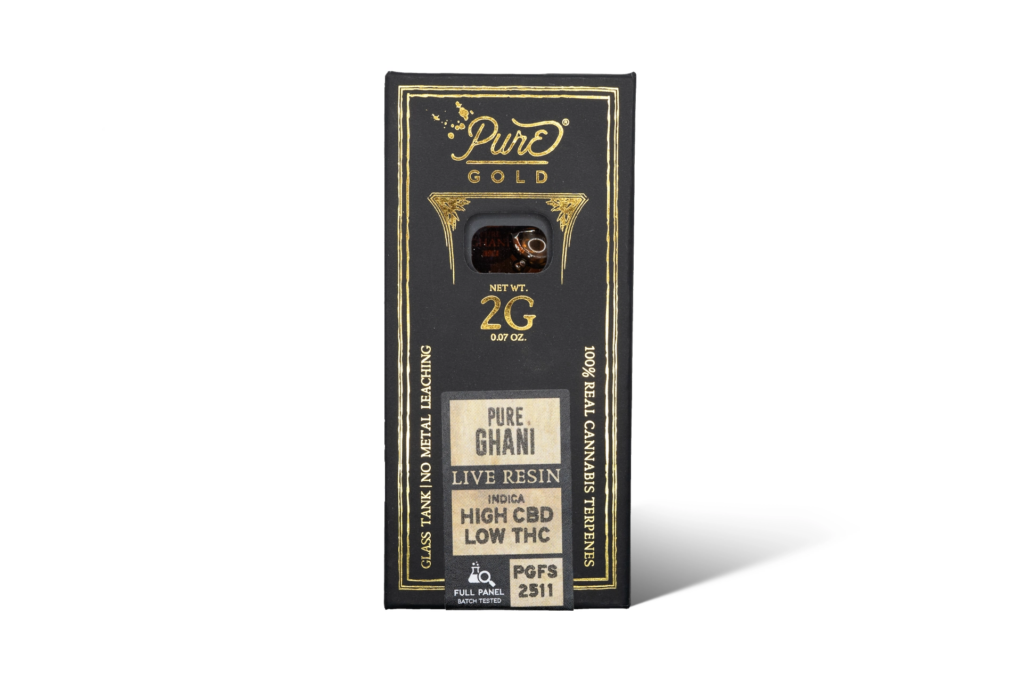
While color shouldn’t be the only way you judge a product, it is an excellent tool for a quick quality check. The table below provides a general guide for understanding what different live resin colors may indicate.
| Color Variation | Quality Indicator | Likely Implication |
| Light Golden / Pale Yellow | Excellent Preservation | High terpene content; fresh-frozen material; cold extraction. |
| Deep Amber / Orange | Acceptable / Strain Dependent | Rich in sesquiterpenes; potentially a later harvest or specific genetics. |
| Dark Brown / Murky | Potential Degradation | Possible oxidation, heat exposure, or older starting material. |
| Greenish Tint | Impure Extraction | Indicates presence of chlorophyll; may have a “grassy” or harsh taste. |
How Primary Jane Ensures Live Resin Color Integrity
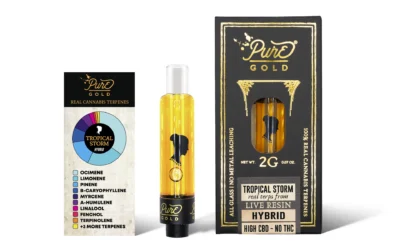
Primary Jane prioritizes color integrity through meticulous small-batch processing and cryogenic extraction methods. Every batch of Pure GOLD™ Live Resin undergoes rigorous independent lab testing to verify that those vibrant golden oils are clean, consistent, and free from contaminants.
How Lab Testing Enhances Transparency
A COA (Certificate of Analysis) provides the data that color can only hint at. It confirms the exact terpene percentages and ensures that no “color remediation” (using clays or silica to artificially lighten low-quality oil) has been used. True quality is found where the visual appeal matches the lab data – and you can verify Primary Jane’s results through QR-coded COAs printed on every package.
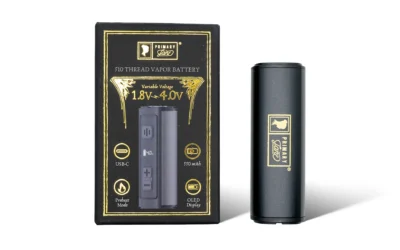
For those who want to experience the full aromatic and visual spectrum of premium live resin, pairing a full spectrum vape cartridge with a quality vape battery ensures optimal flavor and vapor production at the right temperature settings.
FAQs
Does a lighter color always mean live resin is higher quality?
Not necessarily. While a lighter color often indicates better terpene preservation and a cleaner extraction, it doesn’t always correlate to a superior product. Color is more of a reflection of freshness, processing temperature, and the absence of pigments like chlorophyll. Always check the COA for a complete picture of what’s inside.
Is it normal for my live resin cartridge to get darker as I use it?
Yes, to an extent. As you vape, the heating element applies heat to the oil, and air enters the cartridge to replace the vapor you’ve inhaled. This combination of heat and oxygen can cause slight darkening near the intake holes. However, if the oil turns very dark or tastes burnt, you may be using a voltage that is too high.
Why is some live resin almost white while others are deep gold?
This variation often comes down to the specific strain and the extraction process. Some extractors use a Color Remediation Column (CRC) to filter out pigments and create a very light, almost white appearance. While this makes the oil look “pure,” many connoisseurs prefer a natural golden hue, which indicates the full, unfiltered spectrum of the plant’s natural compounds.
What causes a greenish tint in live resin?
A greenish tint usually indicates that chlorophyll was pulled from the plant material during extraction. This typically happens if the solvent was too warm or if the plant material was agitated too much during the wash phase. While not necessarily harmful, it can lead to a harsher, “grassy” flavor profile.
Can I still use live resin if it has turned dark brown?
Generally, yes, it is still safe to use. However, you should expect a different experience. Dark brown live resin has likely oxidized, meaning some of the flavorful terpenes have evaporated and some THC may have converted to CBN. This often results in a more muted character and a less vibrant, “hay-like” flavor. Proper storage in a cool, dark place helps prevent this from happening.
0 Comments