

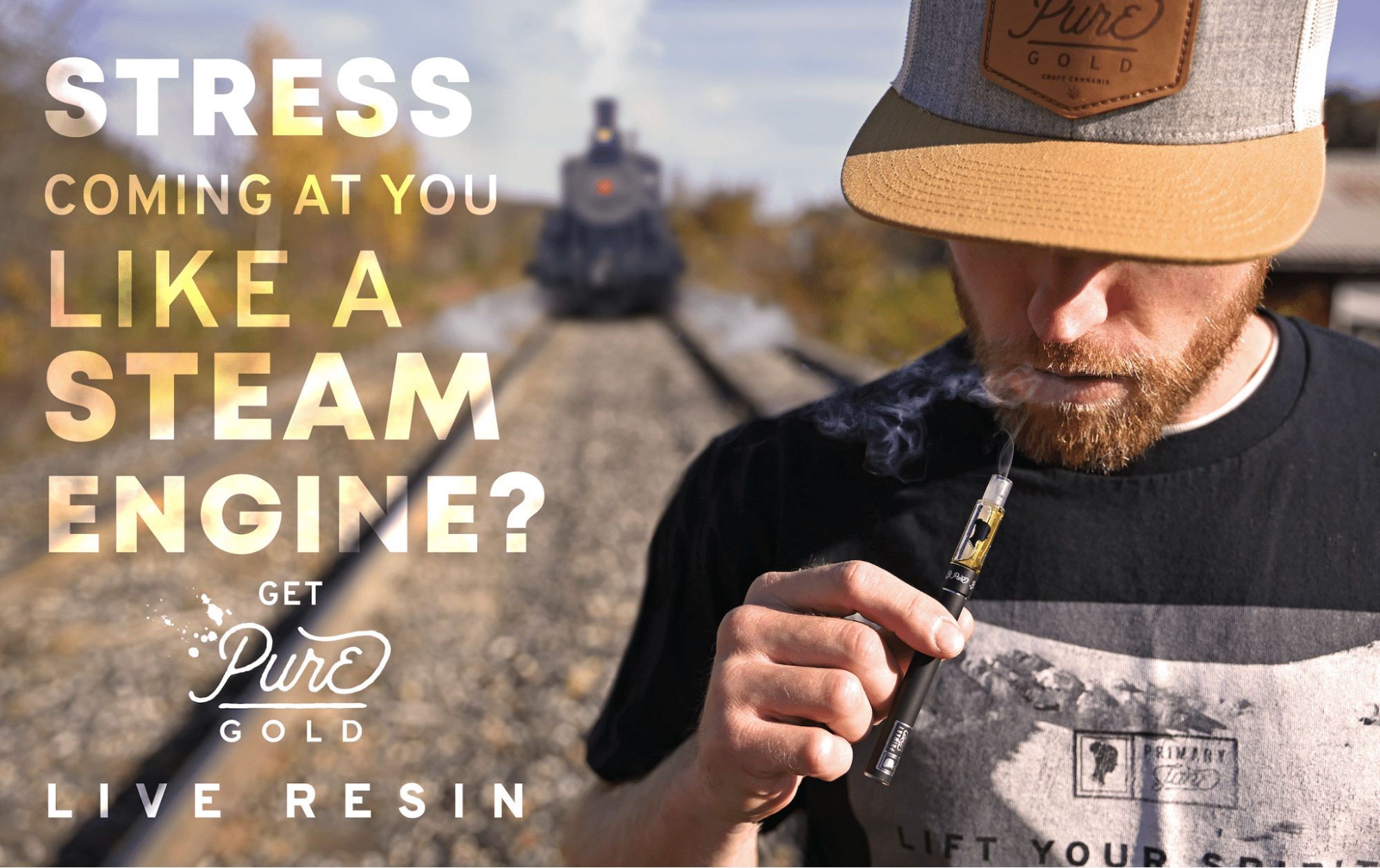

Vaping THCA can be a highly flavorful experience, but understanding how to optimize your settings is crucial for achieving the best botanical taste. This guide will explore the nuances of THCA vapes, focusing on the impact of voltage settings on the aromatic profile of your extract.
Many users struggle to find the perfect balance between flavor and vapor density, often leading to burnt tastes or underwhelming sessions. By understanding the differences between low and high voltage settings, you can enhance your experience significantly. We will cover the science behind THCA conversion, the benefits of low temperature, and practical tips for finding your ideal “sweet spot.”
Ready to stop scorching your terpenes and start tasting the true profile of your strain? Let’s dive into the mechanics of heat and flavor.
Key Takeaways
- Flavor First: Low voltage settings (typically 2.5V – 3.0V) are the gold standard for preserving delicate terpenes and avoiding a burnt taste.
- Efficient Conversion: THCA requires heat to transform into THC, but excessive temperatures can destroy the very compounds that provide flavor and character.
- Hardware Matters: Using high-quality devices like THCA vapes with ceramic heating elements ensures even heat distribution and better flavor retention.
- The High Voltage Trade-off: While high voltage produces thicker vapor clouds, it often sacrifices the nuanced notes of live resin or live rosin.
- Environmental Impact: Ambient temperature and oil viscosity play a role in how your device performs, requiring minor adjustments to your settings based on your surroundings.
What is THCA and How Does It Influence Vape Flavor?
THCA, or tetrahydrocannabinolic acid, is a non-psychoactive cannabinoid found in fresh hemp. It is the unheated precursor to THC. In its raw form, THCA doesn’t provide much flavor on its own; however, it is almost always paired with terpenes in high-quality THCA concentrates.
The flavor profile you experience is dictated by these terpenes – aromatic compounds that give each strain its unique scent and taste. Because THCA is often extracted using “live” methods, the resulting oil is rich in these volatile molecules. Protecting them from excessive heat is the primary goal of flavor-focused vaping.
How Does THCA Convert During Vaping?
When you engage your vape, the heating element raises the temperature of the oil, triggering a process called decarboxylation. This is the moment THCA loses its acidic chain and transforms into THC. This conversion is necessary for the compound to interact with your system effectively.
The temperature at which you vape significantly affects the quality of this transition. If the heat is too low, conversion is incomplete and vapor is thin. If it is too high, the molecular structure of both the cannabinoids and terpenes begins to break down, resulting in a harsh, acrid experience.
What Role Do Terpenes Play in THCA Vape Flavor?
Terpenes are the “soul” of the plant’s flavor. Common terpenes like myrcene, limonene, and pinene provide earthy, citrusy, and pine-like notes, respectively. These compounds are much more sensitive to heat than cannabinoids.
When you use a THCA disposable, you are looking to vaporize these terpenes at their specific boiling points. If the voltage is too high, you bypass the boiling point and go straight to combustion. This destroys the flavor and leaves you with a generic, singed taste regardless of the strain’s quality.
Why is Low Voltage Ideal for Maximizing THCA Vape Flavor?

Low voltage settings are highly recommended for anyone prioritizing the sensory experience of their THCA live resin. Vaping at lower temperatures allows the terpenes to vaporize slowly and steadily, providing a smooth draw that coats the palate without irritation.
Lower settings minimize the risk of “charring” the oil against the heating element. This ensures that every puff tastes as fresh as the first, maintaining the botanical integrity of the extract throughout the life of the cartridge.
What Are the Recommended Low Voltage Settings for THCA Products?
To optimize your experience, consider these general voltage ranges for different types of extracts:
| Product Type | Recommended Voltage Range | Primary Benefit |
| THCA Live Rosin | 2.2V – 2.8V | Maximum terpene protection |
| THCA Live Resin | 2.5V – 3.2V | Balanced flavor and vapor |
| THCA Distillate | 3.0V – 3.8V | Higher potency focus |
Live rosin is the most delicate of all concentrates and should always be vaped at the lowest possible setting to avoid ruining its solventless purity. THCA sugar or resin can handle slightly more heat but still performs best in the mid-2V range.
How Does Low Voltage Prevent Burnt Taste?
A burnt taste is usually the result of the wick or ceramic element heating up faster than the oil can flow into it. By using a lower voltage, you allow the oil to move at a pace that keeps the heating element saturated.
This prevents “dry hits,” which are the leading cause of throat irritation and ruined coils. When the oil is vaporized gently, it retains its golden color and fluid consistency, whereas high heat can cause the remaining oil in the tank to turn dark and taste bitter.
What Are the Effects and Risks of High Voltage THCA Vaping?
While high voltage settings can produce large, dense vapor clouds, they come with distinct disadvantages. Vaping at high temperatures can lead to the rapid degradation of the very compounds that make live resin special.
For many users, the “cloud chasing” aspect of high voltage is a distraction from the actual quality of the hemp. If you find yourself coughing frequently or noticing a scratchy sensation in the back of your throat, your voltage is likely set too high.
How Does High Voltage Affect Potency and Vapor Production?
High voltage settings increase the speed of THCA conversion and vapor production. This can lead to a more immediate and intense experience because you are inhaling a larger volume of cannabinoids in a single breath.
However, this intensity comes at the cost of the “entourage effect.” Because high heat destroys many of the terpenes, you lose the synergistic benefits that those aromatic compounds provide. You may get a “stronger” hit, but it will be less complex and potentially less enjoyable overall.
What Are the Common Issues Caused by High Voltage Settings?
Vaping at high voltage can lead to several recurring problems:
- Harsh Taste: Overheating creates a chemical-like, burnt flavor that masks the natural plant notes.
- Device Clogging: High heat can cause the oil to thin out too much and leak into the airflow path, or conversely, cause it to “caramelize” and block the intake holes.
- Shortened Coil Life: Excessive heat stresses the ceramic or metal heating element, causing it to burn out or lose efficiency much faster than intended.
How Can You Find Your Personal THCA Vape Sweet Spot?
Finding your ideal setting is a journey of small adjustments. Since every THCA vape device and oil batch is slightly different, there is no single “perfect” number that works for everyone.
What Steps Help Adjust Voltage for Optimal Experience?
To find your sweet spot, follow this simple protocol:
- Start at the Bottom: Always begin at the lowest setting your device allows (e.g., 2.0V or 2.2V).
- The 3-Puff Rule: Take three small puffs and evaluate the flavor. If the vapor is too thin, move up by 0.1V or 0.2V.
- Identify the Peak: Continue increasing until the flavor is robust and the vapor is satisfying. If you notice even a hint of a “toasted” or burnt note, drop back down immediately.
How Do Ambient Temperature and Oil Viscosity Influence Choice?
The environment around you changes how your oil behaves. In colder weather, THCA concentrates become thicker and move more slowly. You might need to use a “pre-heat” function or bump the voltage up slightly to get the oil flowing.
In warmer conditions, the oil becomes much thinner. In these cases, you should lower your voltage to prevent the device from over-wicking, which can lead to “spit-back” (getting tiny drops of oil in your mouth) or leaking.
How to Troubleshoot Common THCA Vape Flavor Problems?
Even with the right settings, issues can arise. Knowing how to diagnose them can save you from wasting a high-quality THCA disposable.
Why Does My THCA Vape Taste Burnt and How Can I Fix It?
If your vape tastes burnt even at a low setting, the coil may already be compromised, or the oil might be too thick to reach the element. Try taking a few “dry pulls” (inhaling without pressing the button) to help pull oil into the wick. If the taste persists, the oil may have been overheated previously, causing permanent flavor degradation.
What Causes Weak Flavor and How to Improve It?
Weak flavor usually means the temperature isn’t high enough to fully atomize the terpenes. If you are using a 4G dual chamber disposable, ensure your battery is fully charged. As batteries lose power, they often struggle to maintain a consistent voltage, resulting in weak, wispy hits that lack flavor.
What Are the Best Practices for Maintaining Your THCA Vape Device?
Proper maintenance ensures that your last puff tastes as good as your first. A well-cared-for device protects the purity of your Primary Jane extracts.
How Does Maintenance Protect Flavor Quality?
Residue buildup is the enemy of flavor. If oil leaks into the connection points or the mouthpiece, it can oxidize and create an unpleasant smell and taste. Keeping your device clean ensures that the only thing you are tasting is the fresh vapor.
What Cleaning and Storage Tips Optimize Performance?
To keep your THCA vapes performing at their peak:
- Vertical Storage: Always store your vapes upright. This keeps the oil settled at the bottom over the intake holes, preventing dry hits and leaks.
- Cool and Dark: Store devices away from direct sunlight and extreme heat to prevent the THCA from converting prematurely or the terpenes from breaking down.
- Keep it Clean: Use a cotton swab with a tiny amount of isopropyl alcohol to clean the “510” threads or the charging port to ensure a perfect connection.
By following these guidelines, you can ensure that your THCA journey is defined by rich, botanical flavors and a smooth, reliable experience.
FAQ
What is the absolute best voltage for THCA live resin?
For most users, the “golden range” for THCA live resin is between 2.5V and 2.8V. This provides a perfect balance of rich terpene flavor and visible vapor production.
Can I vape THCA at 4.0V or higher?
While most devices allow it, we do not recommend it. Vaping at 4.0V or higher will almost certainly burn the terpenes and significantly diminish the quality of the flavor.
Why does my vape get clogged when I use high voltage?
High heat can cause the oil to “boil” and pop, sending tiny droplets into the center chimney. Once they cool down, they solidify and create a clog. Staying at a lower voltage ensures a more stable vaporization process.
Does a lower voltage make the cartridge last longer?
Yes. Lower voltage uses less oil per puff and puts less strain on the battery. You will find that your THCA cartridges last significantly longer when you vape at 2.8V compared to 3.5V.
Is there a difference between “Voltage” and “Wattage”?
Yes, though they are related. Voltage is the “pressure” of the electricity, while wattage is the total power produced. Most portable hemp vapes use voltage settings, while larger “mod” boxes use wattage. Always check your device manual to see which you are adjusting.
0 Comments