



THCA live resin is a premium hemp concentrate that captures the biological essence of the plant in its most pristine form. This comprehensive guide explores the intricate production process, from the initial harvesting of fresh-frozen flowers to the final refinement of the oil.
Readers will learn about the significance of flash-freezing, the hydrocarbon methods employed, and the specialized techniques used to preserve volatile terpenes. Understanding the production of THCA live resin offers insight into why this concentrate remains the preferred choice for flavor and botanical aromatic depth.
Ready to see how we turn a living plant into a high-fidelity extract? Let’s break down the journey from the soil to the sauce.
Key Takeaways
- Preservation of “Life”: Unlike traditional extracts made from dried buds, live resin uses plants frozen immediately at harvest to prevent terpene loss.
- Hydrocarbon Precision: A blend of butane and propane is typically used to selectively pull THCA and aromatic compounds while leaving behind unwanted plant fats.
- The Cold Chain: Maintaining sub-zero temperatures (often -40°C or lower) throughout the entire process is critical for product quality.
- Full-Spectrum Synergy: By keeping the original plant’s terpene-to-cannabinoid ratio, live resin provides a more authentic entourage effect.
- Safety & Purity: Modern closed-loop systems and rigorous vacuum purging ensure that the final oil is free of residual solvents and contaminants.
What Is THCA Live Resin and Why Is Its Production Unique?
THCA live resin is a concentrate extracted from hemp that has never been dried or cured. This method is unique because it captures the plant’s profile exactly as it exists in the field. Most hemp products lose a significant portion of their terpenes during the traditional two-week drying process; live resin bypasses this entirely.
The extraction process is engineered to maintain the integrity of tetrahydrocannabinolic acid (THCA). This is the unheated, acidic version of THC that provides the botanical foundation for this extract. By keeping the product “live,” producers ensure the most robust flavor and aroma possible in a concentrate.
This preservation of the plant’s natural state is what distinguishes live resin from other hemp concentrates made from cured flower. It isn’t just an extract; it’s a snapshot of the living plant’s chemistry, delivered in a potent, shelf-stable oil.
What Defines THCA and Its Role in Live Resin?
THCA is the most abundant cannabinoid in fresh hemp and serves as the precursor to THC. In its raw, unheated form, THCA does not produce the intoxicating effects associated with traditional use. This makes it an essential compound for those seeking the plant’s potential without immediate psychoactivity.
In the context of live resin, THCA often forms the “diamonds” or crystalline structures seen in the oil. It interacts with the body’s internal systems to support a balanced environment. Its role is to provide a clean, potent foundation that works in harmony with the plant’s native terpenes.
How Does Live Resin Differ from Other Hemp Concentrates?
The primary differentiator is the starting material. Traditional concentrates use “biomass” that has been harvested, dried, and cured for weeks. During this time, the volatile monoterpenes, responsible for those bright, fruity, and floral notes, evaporate into the air.
Live resin, however, is made from fresh-frozen cannabis, which acts as a time capsule for those delicate compounds. This results in a product that is significantly more aromatic and flavorful. While a standard distillate might have a lower terpene percentage, a high-quality live resin can reach much higher levels.
Additionally, the texture of live resin is often more malleable and “sappy” compared to the brittle nature of shatter. This consistency is a direct result of the high terpene concentration acting as a natural solvent, keeping the THCA in a more fluid, sauce-like state.
How Is Fresh-Frozen Cannabis Prepared for Live Resin Extraction?
Preparation is the most time-sensitive phase of production. The goal is to move the plant from the garden to the freezer as quickly as possible, ideally within minutes of being cut. This “race against the clock” ensures that the plant’s volatile aromatic oils don’t have a chance to dissipate.
What Are the Harvesting and Flash-Freezing Techniques?
Harvesting for live resin requires selecting flowers at their peak resin production, usually when the trichomes are at their optimal stage. Once cut, the branches are immediately stripped of large fan leaves, and the buds are placed into specialized bags.
Producers then use flash-freezing techniques, often employing liquid nitrogen or ultra-low temperature freezers (down to -40°F). This rapid drop in temperature prevents ice crystals from forming inside the plant cells, which would otherwise rupture the cell walls and release unwanted chlorophyll and moisture into the extract.
Why Is Temperature Control Critical in Fresh Frozen Cannabis Processing?
If the temperature rises at any point, the “live” status of the plant is compromised. Maintaining a strict cold chain is essential because even a brief thaw can lead to terpene evaporation or the introduction of water into the extraction solvent.
Consistent sub-zero temperatures also make the trichome heads (where the THCA lives) brittle. This allows the solvent to “wash” the cannabinoids away more efficiently without pulling in the darker, bitter-tasting plant waxes. Precise temperature regulation is the difference between a golden, flavorful resin and a dark, harsh extract.
What Solvent Extraction Methods Are Used in THCA Live Resin Production?

To pull the THCA and terpenes away from the plant matter, producers use specific solvents. The choice of solvent determines the selectivity of the extraction – meaning how much of the “good stuff” is kept while leaving the “bad stuff” behind.
How Do Butane, Propane, and CO2 Solvents Differ in Extraction?
Most authentic live resins are made using hydrocarbon solvents like butane or propane. These solvents are preferred because they can operate at extremely low temperatures and have a high affinity for the plant’s natural oils and resins. A blend of butane and propane is often used to capture the widest possible range of aromatic terpenes.
In contrast, CO2 extraction is often considered less ideal for “true” live resin. While CO2 is safe, the high pressures and temperatures required can sometimes strip away the most delicate terpenes or cause the THCA to change form. Most connoisseurs agree that hydrocarbons produce a profile that more accurately reflects the living plant.
What Is a Closed-Loop System and How Does It Ensure Safety and Purity?
A closed-loop system is a specialized piece of equipment where the solvent is contained at all times. The solvent travels from a pressurized tank, through the frozen cannabis, and into a collection vessel. It is then evaporated, condensed, and recycled back into the original tank.
This system ensures safety by preventing gases from escaping into the workspace. More importantly for the consumer, it ensures purity. Because the system is sealed, there is no risk of outside contaminants entering the oil, and the solvent can be recovered with nearly 100% efficiency, leaving the final product clean and potent.
How Is Terpene and Cannabinoid Preservation Achieved During Extraction?
Preservation is achieved through “cryogenic” conditions. By chilling the solvent to -60°C or lower before it ever touches the plant, extractors can be extremely selective. At these temperatures, the solvent acts like a magnet for THCA and terpenes but ignores the plant’s water, sugars, and chlorophyll.
How Does Full-Spectrum Extraction Enhance the Entourage Effect?
Full-spectrum extraction ensures that the final oil contains the same ratios of compounds found in the original flower. This triggers the entourage effect, where cannabinoids and terpenes work together to produce a more significant impact than any single compound could alone.
For example, certain terpenes might support the delivery of THCA more effectively, or they might provide their own aromatic properties that complement the cannabinoid. This holistic chemistry is why live resin is often reported to have more “soul” and depth than refined distillates.
What Post-Extraction Processes Refine THCA Live Resin Into Potent Oil?
Once the initial extraction is complete, the mixture of solvent and plant oil (called “micella”) must be refined. This is where the raw extract is transformed into the beautiful, honey-like oil found in Primary Jane products.
How Are Solvents Recovered and Purged for Safety?
The extract is placed into a vacuum oven for the purging process. By applying a vacuum, the boiling point of the solvent is lowered, allowing it to evaporate at room temperature. This is crucial because it removes every trace of butane or propane without using high heat that would “cook” the terpenes and ruin the flavor.
What Is THCA Crystallization and How Does It Affect Consistency?
Over time, the THCA in the resin may begin to separate from the solution and form crystals. This is known as nucleation or crystallization. Depending on the environment, this can result in various textures.
- Diamonds: Large, pure THCA crystals sitting in a pool of liquid terpenes.
- Sugar: A grainy, wet consistency where smaller crystals are suspended in oil.
- Badder: A whipped, creamy texture achieved by agitating the resin during the purge.
Regardless of the texture, the potency remains high; the difference is purely a matter of consumer preference for handling and experience.
How Is Quality Control Ensured Through Lab Testing and Compliance?
In the hemp-derived market, quality control is the only way to prove a product is both safe and legal. Because THCA live resin is highly concentrated, any impurities in the original plant would also be concentrated, making rigorous testing non-negotiable.
Why Are Third-Party Lab Tests and Certificates of Analysis Important?
A Certificate of Analysis (COA) is a document from an independent lab that verifies the contents of the product. It checks for:
- Potency: Confirms the levels of THCA and ensures D9-THC is below the 0.3% legal limit.
- Residual Solvents: Ensures the vacuum purge removed all butane or propane.
- Contaminants: Verifies the absence of metals, pesticides, and unwanted microbes.
How Does Primary Jane Maintain Product Safety and Legal Compliance?
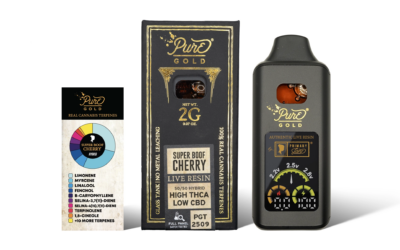
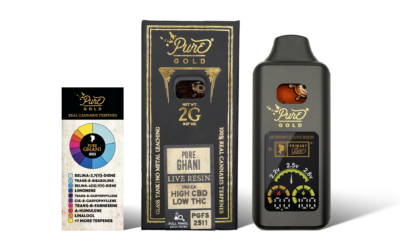
At Primary Jane, we prioritize small-batch integrity. We source only organically grown hemp and utilize state-of-the-art closed-loop hydrocarbon extraction. Our hardware, such as our THCA vapes, is designed with high-grade materials like ceramic and glass to ensure the purity of the oil is never compromised by the device itself.
By combining the highest quality “live” starting material with rigorous third-party testing, we provide a product that is as safe as it is effective. We believe transparency is the foundation of trust in the cannabinoid industry.
FAQ
Does THCA live resin contain THC?
In its raw, unheated form, the concentrate consists primarily of THCA with less than 0.3% Delta-9 THC. However, once you apply heat via a vape or other device, the THCA converts into THC.
How should I store my THCA live resin to keep it fresh?
To preserve the delicate terpenes, store your resin in a cool, dark place. For long-term storage, a refrigerator is ideal, but ensure the container is airtight to prevent moisture from entering.
What is the difference between live resin and live rosin?
Live resin uses a solvent (like butane) to extract the oil, while live rosin is solventless, using only heat and pressure to squeeze the resin out of frozen material.
Why is live resin more expensive than other extracts?
The process is much more labor-intensive and requires expensive specialized equipment, such as ultra-low temp freezers and closed-loop extractors. The yield is also typically lower than standard extraction, but the quality is vastly superior.
Can I use THCA live resin in a standard vape pen?
Generally, no. Live resin is thick and contains crystals that can clog standard pens. It is best used in a specialized THCA disposable or a dedicated device designed to handle high-terpene concentrates.

0 Comments