

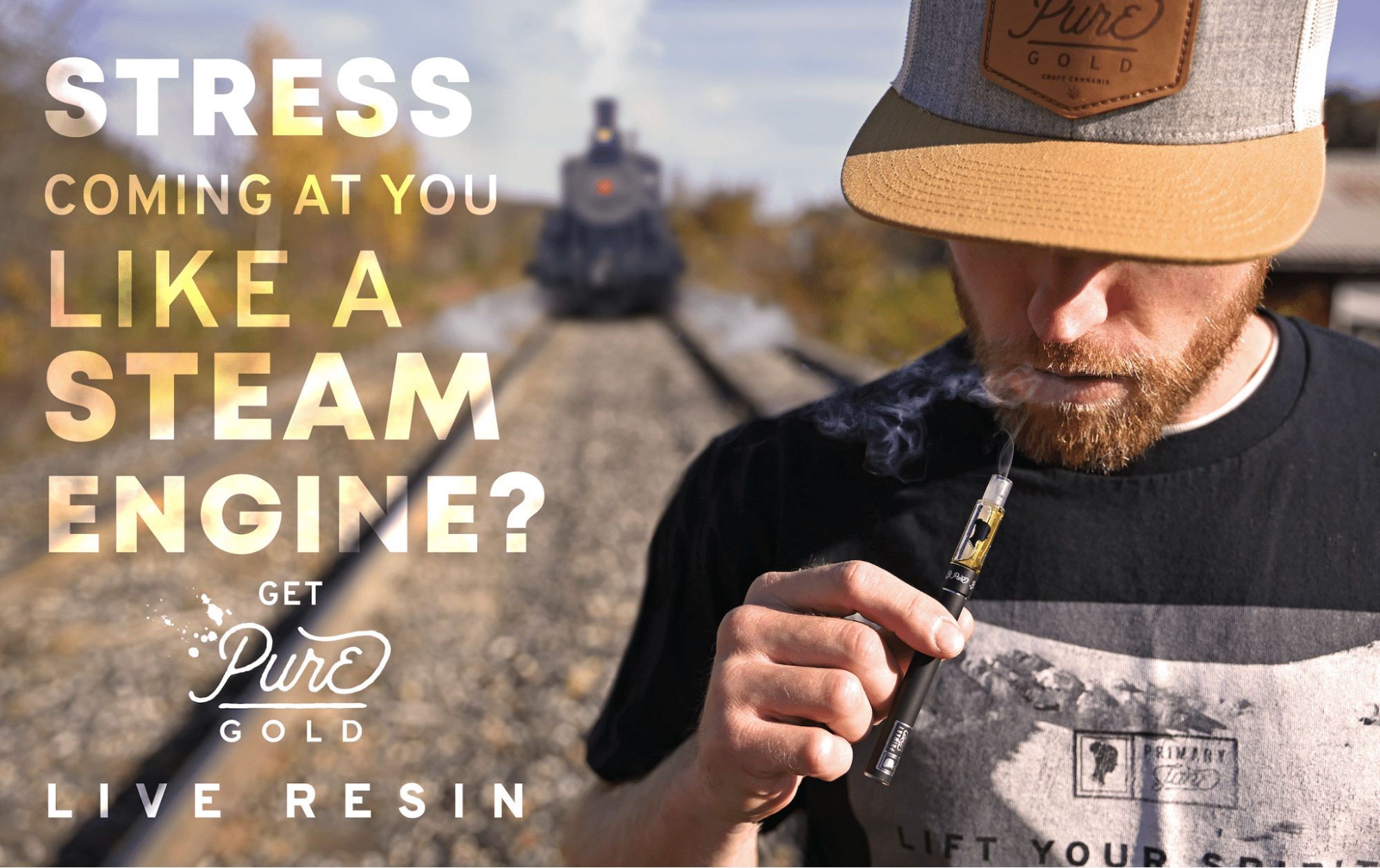

Cannabidiol (CBD) is a non‑intoxicating compound from cannabis many people incorporate into their wellness routines to support feelings of calm, comfort, and rest. But not every CBD product is made the same – or meant to be inhaled.
The short, essential rule: don’t vape oils or topicals formulated for oral or skin use; only inhale products specifically labeled and formulated as CBD vape juice (e‑liquid). This guide explains why that distinction matters – covering ingredients, devices, bioavailability and health risks – and gives practical steps to pick safer e‑liquids, spot dangerous additives, and match hardware.
Read on to learn what CBD is, how tinctures and vape juices differ, which ingredients are risky when heated, and a step‑by‑step checklist for buying and using CBD vape juice responsibly.
Key Takeaways
- The Golden Rule: Never vape standard CBD oils, tinctures, or topicals. Only inhale products explicitly labeled as CBD Vape Juice or E-liquid.
- Safety Risks: Heating carrier oils (like MCT, coconut, or hemp seed oil) can cause lipoid pneumonia, a serious lung condition, and may create toxic chemical byproducts like ketene.
- Tinctures: Use oil-based carriers for swallowing or sublingual use.
- Vape Juices: Use PG (Propylene Glycol) and VG (Vegetable Glycerin), which are designed to vaporize cleanly at high temperatures.
- Vape Cart: Use a form of CBD concentrate or extract, such as live resin or distillate.
- Rapid Bioavailability: Vaping delivers CBD directly to the bloodstream through the lungs, offering effects within minutes, whereas oils taken orally take 30-90 minutes to work.
- Dangerous Additives: Avoid any vape product containing Vitamin E acetate, as it is strongly linked to severe lung injury (EVALI).
- Quality Checklist: Before buying, confirm the product has a Third-Party Lab Report (COA) that verifies it is free from heavy metals, pesticides, and lipid diluents.
- Device Match: Ensure your device is compatible with your liquid; for example, pod systems typically require a higher PG ratio for proper wicking.
What Is CBD and Its Common Product Forms?
Cannabidiol (CBD) is a naturally occurring cannabinoid that interacts with the endocannabinoid system but doesn’t produce the psychoactive high of THC. It influences pathways linked to mood and sleep, and current reviews discuss its potential role in supporting overall well-being, while calling for more research.
CBD comes in several distinct product formats, each engineered for a specific route of use. Knowing these differences helps you avoid dangerous mistakes – especially heating products that weren’t made to vaporize cleanly.
What Is Cannabidiol and Its Uses?
CBD is a plant‑derived cannabinoid that affects the human endocannabinoid system and other neurotransmitter pathways, which helps explain observed effects on mood and sleep in both clinical and preclinical studies.
The World Health Organization found in 2017 that CBD generally has a favorable safety profile and is not associated with dependence, though effects can be dose dependent and evidence varies by condition.
Dose and formulation strongly influence how quickly and how long effects are felt, so choose the product form that fits your goals and avoid unsafe administration methods like vaping non‑vape oils.
What Are the Different Types of CBD Products?
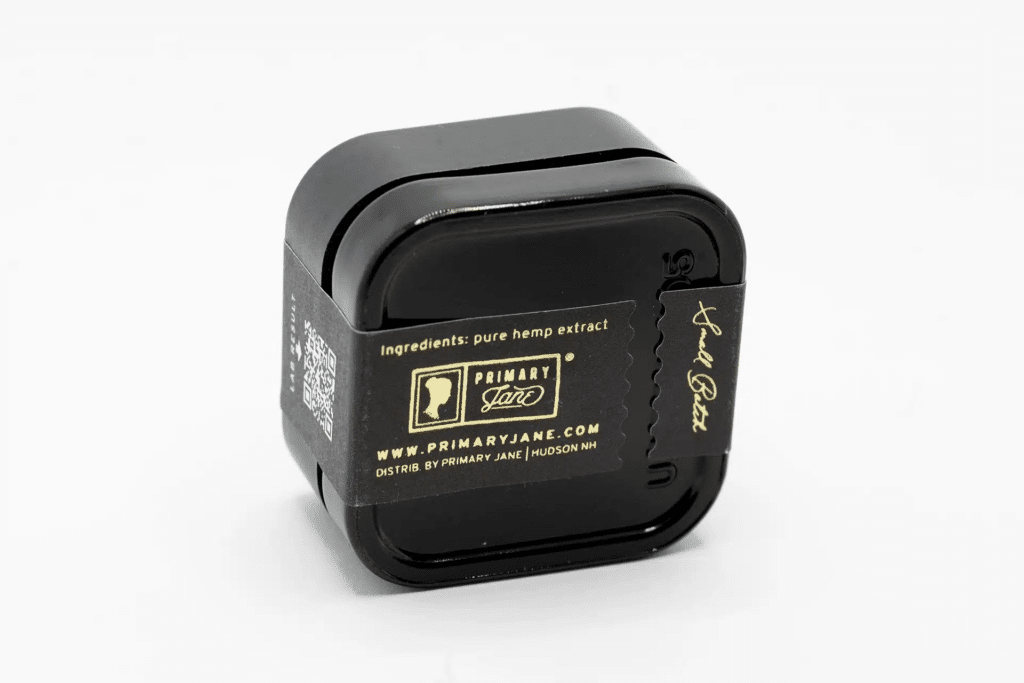
Below is a quick overview of the main CBD formats, their intended routes, and why they’re formulated differently for safety and performance.
- Tinctures and CBD oils – carrier‑oil bases meant for sublingual or oral use; slower onset and longer duration than inhalation.
- CBD vape juice (e‑liquid) – made with propylene glycol (PG), vegetable glycerin (VG) and purified CBD for inhalation; formulated to vaporize cleanly. Notably, not all CBD vape carts have this formulation, for instance, live resin carts which consist of primarily CBD concentrates.
- Topicals – creams, balms and roll‑ons for targeted skin or joint application; not designed for systemic inhalation.
- Edibles and capsules – oral dosing with delayed onset and longer duration because of digestion and first‑pass metabolism.
Each format is optimized for its route: vape juice for aerosolization, tinctures for sublingual absorption, and topicals for local effect. Heating oils or topicals can produce harmful aerosols – see the next section for details.
What Is the Difference Between CBD Oil and CBD Vape Juice?
CBD tinctures (oils) and CBD vape juice (e‑liquid) differ in ingredients, viscosity and suitability for heating, differences that determine safety and device compatibility. Tinctures usually use carrier oils like MCT or hemp seed oil that are thick and intended for ingestion or sublingual use.
Vape juices generally use thinner solvents (PG/VG) that vaporize reliably at coil temperatures. These formulation differences change bioavailability and onset: inhaling a properly made vape juice gives rapid onset and higher short‑term bioavailability, while tinctures deliver slower, longer-lasting systemic levels.
The table below compares CBD tinctures (oil), CBD vape juice (e‑liquid), and CBD topicals across essential technical and safety attributes.
| Product Type | Key Ingredients | Intended Use & Heating Suitability |
| CBD Tincture (oil) | CBD plus carrier oils (MCT, hemp seed oil) | For oral or sublingual use; not safe to heat or inhale because of high viscosity and lipid content |
| CBD Vape Juice (e-liquid) | CBD isolate or full‑spectrum extract + PG/VG ± terpenes | Formulated for inhalation; designed to vaporize cleanly at coil temperatures when free of lipid additives |
| CBD Topical | CBD blended into creams, waxes and emulsifiers | For skin application only; emulsifiers and waxes can create unsafe aerosols if heated |
How Are CBD Oils Formulated and Used?
CBD tinctures and oils mix CBD with carrier oils such as MCT or hemp seed oil to make stable, ingestible products for oral or sublingual delivery. Carrier oils are chosen for taste, cannabinoid solubility and safe ingestion, but because they’re lipid‑based and viscous they aren’t compatible with atomizers designed for low‑viscosity e‑liquids.
Sublingual dosing (holding under the tongue) can bypass some first‑pass metabolism and typically works within 15-45 minutes; swallowing leads to slower absorption and longer duration. Heating carrier oils in a vape device can break down lipids, create lung‑depositing aerosols, and form harmful byproducts, so use products only as intended.
What Makes CBD Vape Juice Suitable for Vaping?
CBD vape juices and concentrates are engineered to produce an inhalable aerosol using a PG/VG base, or through various other extracts like live resin, distillate or live rosin.
Propylene glycol (PG) carries flavor and delivers throat hit, while vegetable glycerin (VG) produces thicker vapor; manufacturers balance these in ratios (for example, 50:50 or 70:30) to match device type and user preference.
Vape formulations exclude lipid carriers and thickening additives like vitamin E acetate or waxes – substances implicated in severe lung‑injury outbreaks. Third‑party lab testing for cannabinoid profile, residual solvents, pesticides and the confirmed absence of vitamin E acetate is a strong indicator a product is intended for inhalation.
Why Should You Never Vape CBD Oil or CBD Topicals?
Short answer: you shouldn’t. Heating and inhaling non‑vape oils or topicals can cause lung injury, lipoid pneumonia and toxic thermal decomposition byproducts.
Investigations into e‑cigarette or vaping product use‑associated lung injury (EVALI) have implicated inhaled lipid carriers and vitamin E acetate as culprits that impair normal lung function and, in some cases, cause acute respiratory distress.
Beyond immediate inflammation, inhaled lipids can deposit in the alveoli, trigger chronic inflammation, and worsen existing respiratory conditions; using non‑vape liquids can also clog and damage devices.
The table below maps common heated ingredients from oral or topical products to possible byproducts and health effects so you can see how heating the wrong substances creates risk.
| Heated Ingredient / Component | Potential Thermal Byproduct or Physical Effect | Potential Health Impact |
| MCT oil, hemp seed oil (lipids) | Aerosolized lipids; incomplete combustion products | Lipoid pneumonia, alveolar inflammation, persistent respiratory symptoms |
| Vitamin E acetate | Decomposition to ketene and other toxic products under high heat | Strongly linked to EVALI and acute lung injury |
| Waxes, butters, thickening agents | Particulate residues and thermal breakdown products | Airway irritation, obstructive deposits, impaired gas exchange |
| Unpurified terpenes / contaminants | Decomposition VOCs and irritant compounds | Bronchospasm, airway inflammation, long‑term irritation |
How to Choose and Use CBD Vape Juice Safely?
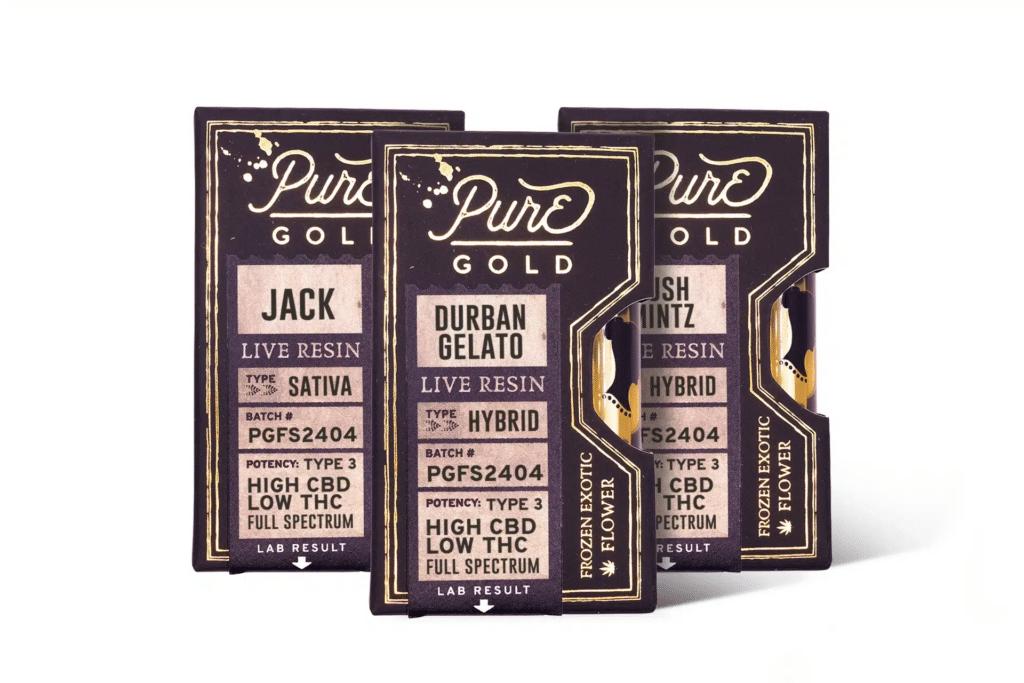
Choosing safe CBD vape juice means checking formulation, lab testing and device compatibility.
Select products explicitly labeled as e‑liquid for inhalation and backed by a recent third‑party Certificate of Analysis (COA). The COA should report cannabinoid profile (CBD/THC), residual solvents, pesticides and heavy metals, and confirm the absence of vitamin E acetate and lipid diluents.
Match the PG/VG ratio to your device (higher PG for pod systems; higher VG for sub‑ohm), prefer nicotine‑free CBD e‑liquids when appropriate, and never exceed the device’s recommended wattage.
Discard any product that looks cloudy, separated or oily. The checklist and table below give step‑by‑step checks to help you buy and use vape‑compatible CBD safely.
Before the table, use these quick checklist steps when evaluating CBD vape juice purchases and usage.
- Confirm Labeling: The product clearly states “CBD vape juice” or “e‑liquid” and recommends inhalation.
- Check COA: A recent third‑party Certificate of Analysis is available showing cannabinoid content and contaminant testing.
- Verify Ingredients: No vitamin E acetate, no MCT/hemp seed oils, and no waxy thickeners listed.
- Match Device: The PG/VG ratio is compatible with your device’s wicking and power specs.
Following these steps reduces risk by ensuring the formulation and testing match safe inhalation standards. The table below turns the checklist into purchase‑ready checks for common product types.
| Product Type | Lab Test / Label Feature | What to Check |
| Disposable CBD Vape | COA availability + ingredient list | Confirm COA, no vitamin E acetate, CBD‑only formulation and listed PG/VG ratio |
| CBD E-liquid Bottle | Full‑panel lab report | Check residual solvents, pesticides, heavy metals and clear cannabinoid potency |
| Live Resin / Cartridge | Source and extraction method disclosure | Verify formulation for inhalation and third‑party testing for contaminants |
What Should You Look for in Quality CBD Vape Juice?
Seek clear labeling that identifies the product as e‑liquid for inhalation, an accessible recent third‑party COA, and an ingredient list that excludes lipid carriers and vitamin E acetate. The PG/VG ratio should be listed where relevant so you can match it to your device: higher PG gives more throat hit and suits pod systems, while higher VG produces thicker vapor for sub‑ohm setups.
Confirm CBD potency and that THC is within legal limits on the COA, and review tests for residual solvents, pesticides and heavy metals. Red flags include opaque or separated liquids, missing COAs, or any mention of oils or butters – those indicate the product is not suitable for vaping.
What Are Popular CBD Vape Products?
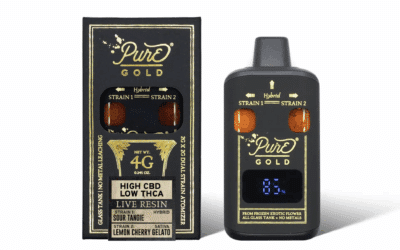
Popular categories include disposable vapes for convenience, prefilled cartridges for compatibility with common batteries, and live resin carts for users seeking fuller flavor.
Disposable devices are easy to use but can differ widely in quality and generate more waste. Live resin carts deliver richer terpenes and full‑spectrum profiles when processed for inhalation, but they require extra scrutiny for extraction solvents and cannabinoid ratios to ensure low THC and no harmful diluents.
- Disposable Vapes: Convenient and user‑friendly, but quality and waste impact vary.
- Prefilled Cartridges: Work with many battery systems; verify cartridge composition and COAs.
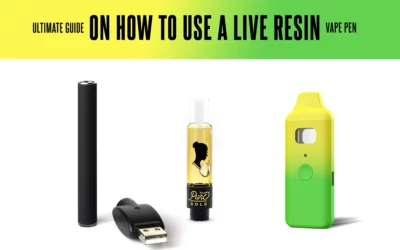
- Live Resin Carts: Offer stronger flavor and full‑spectrum appeal; confirm extraction methods and testing.
No matter the format, prioritize inhalation‑specific formulations, accessible COAs and the absence of lipid diluents to minimize risk; testing matters more than brand category.
What Are Alternatives to Vaping CBD?
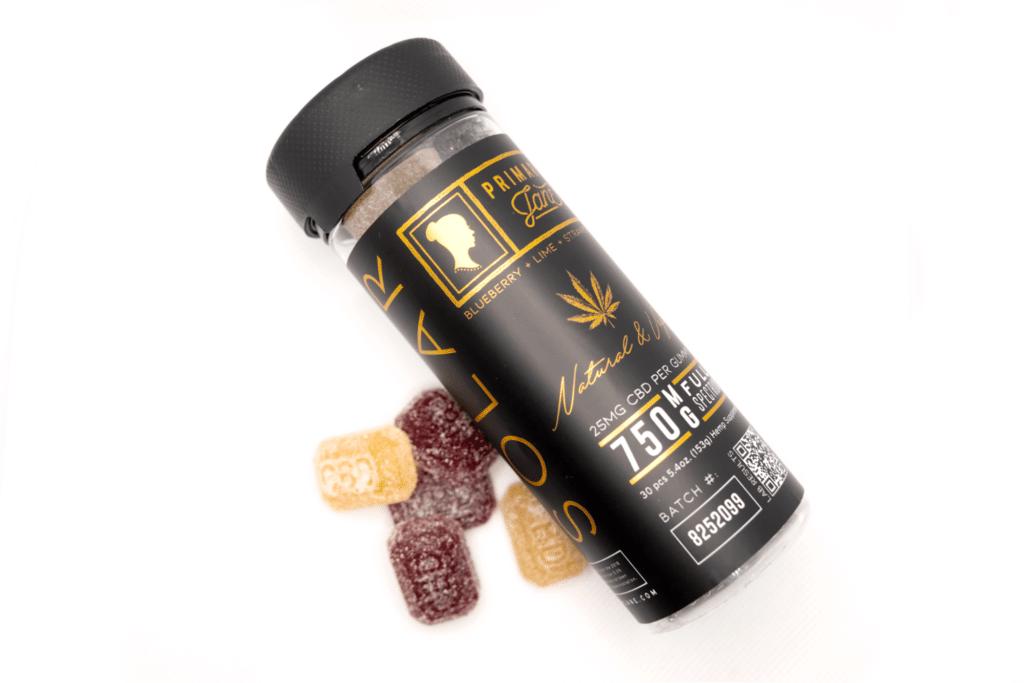
If you’d rather avoid inhalation, several effective alternatives deliver systemic or localized CBD effects without aerosols: oral and sublingual tinctures, and topical formulations.
Oral and sublingual routes provide longer duration and more predictable dosing – sublingual dosing bypasses some first‑pass metabolism and offers faster onset than edibles – while topicals give targeted local support for muscles and joints with minimal systemic exposure.
Each route has trade‑offs: inhalation is fastest, oral ingestion lasts longest, and topicals localize effect without respiratory risk. The subsections below compare oral/sublingual approaches with inhalation and explain when topicals make sense so you can choose the right form for your needs.
How Is Oral CBD Oil Different in Effects and Usage?
Oral and sublingual CBD differ from inhalation in bioavailability, onset and dosing. Inhalation typically has rapid onset within minutes and higher peak concentrations, while oral ingestion is slower (30-90 minutes) with a longer duration because of digestion and first‑pass metabolism.
Holding a tincture under the tongue for about 60 seconds speeds absorption compared with swallowing and can reduce metabolic loss, offering a middle ground between onset and duration.
Dosing varies by concentration and individual response; start low, go slow, and track effects rather than relying on a single “standard” dose.
For anyone avoiding inhalation for health or legal reasons, oral and sublingual routes are safer systemic options with more predictable pharmacokinetics.
When and How to Use CBD Topicals for Localized Relief?
CBD topicals are formulated to act on skin and superficial tissues, providing localized cannabinoid exposure that interacts with peripheral receptors and supporting skin comfort with minimal systemic uptake.
Typical uses include muscle soreness, joint discomfort and certain skin conditions where support for muscle and joint comfort is desired. Apply to clean skin, massage gently, and follow product directions – often once or twice daily depending on concentration.
Do a patch test before full‑area use to check for sensitivity, and never heat or attempt to inhale topicals; their excipients aren’t made to vaporize safely. For localized comfort without respiratory risk, topicals are a solid option, but they won’t replace systemic dosing when you need whole‑body effects.
A Safe CBD Experience
Knowing the difference between CBD oil and CBD vape juice is key to safer, more informed use: only vape products formulated and tested for inhalation. When you choose a vape juice, prioritize clear labeling, third‑party testing and device compatibility to reduce health risks.
f you prefer to avoid inhalation, oral, sublingual and topical options offer effective alternatives. If you plan to vape, pick tested products from reputable sources and follow the checklist above to protect your lungs and get the results you want.
Frequently Asked Questions
Can I use CBD vape juice in any vaping device?
Not all devices are suitable. Use hardware designed for e‑liquids – the correct coil resistance and wattage help vaporize the juice properly. Pod systems typically work better with higher PG ratios, while sub‑ohm devices pair well with higher VG. Check your device manufacturer’s recommendations to ensure compatibility and avoid damaging equipment or degrading the product.
Is it safe to mix CBD vape juice with nicotine e-liquids?
Mixing is generally not recommended. Combining CBD and nicotine can change the effects and bioavailability of both, and nicotine may mask flavor, making it harder to assess quality. If you decide to mix, start with small amounts and confirm both products are compatible and intended for inhalation.
What should I do if I experience adverse effects from vaping CBD?
If you have symptoms like coughing, shortness of breath or dizziness after vaping, stop using the product immediately. Check whether the product was formulated for inhalation and free of harmful additives. If symptoms persist or worsen, seek medical attention and bring details of the product (label, batch number, COA) to help clinicians identify possible causes.
How can I tell if my CBD vape juice is of high quality?
Look for explicit labeling that the product is intended for inhalation and an accessible, recent third‑party COA showing cannabinoid content and contaminant testing. Confirm ingredient transparency – no vitamin E acetate or lipid carriers – and expect a consistent, clear liquid without separation. Quality products will list PG/VG ratio and display straightforward potency information.
What are the potential long-term effects of vaping CBD?
Long‑term research is limited, but potential risks include respiratory issues – especially if non‑vape formulations are used. Any chronic inhalation can contribute to lung inflammation or other respiratory conditions. Use only products designed for vaping and monitor your health; consult a healthcare professional if you have pre‑existing lung disease before starting a vaping regimen.
0 Comments