



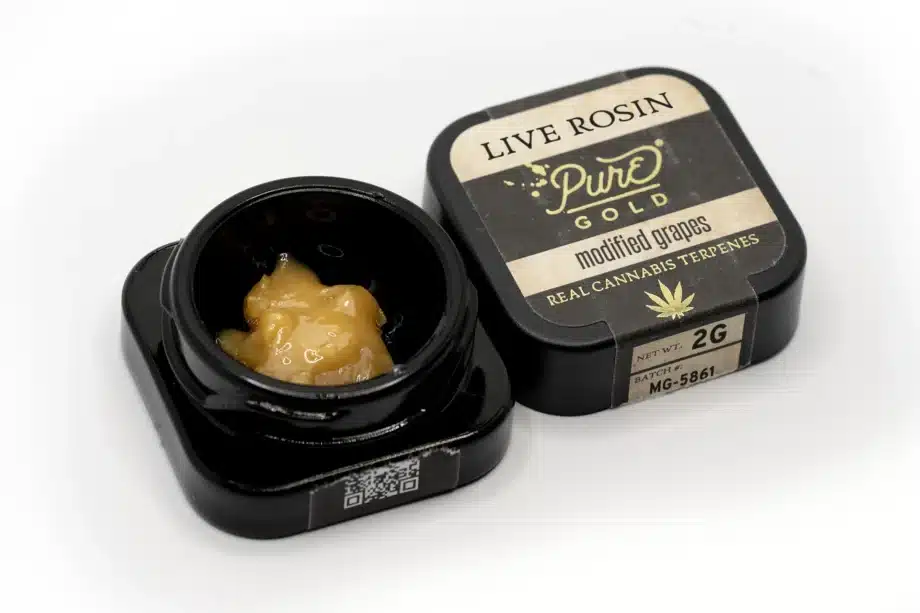
Live rosin is a cannabis extract made without any solvent at all: fresh-frozen flower is washed into ice water hash, freeze dried, and then pressed between heated plates until the resin flows out. Nothing touches the extract but water, ice, heat, and pressure. That is the whole definition, and it is why live rosin has become the connoisseur benchmark for flavor: what ends up in the jar is the plant’s own resin, concentrated, with nothing added and nothing to purge.
Key Takeaways
- Live rosin is a solventless extract: ice water hash from fresh-frozen flower, freeze dried, then pressed with heat and pressure.
- No solvent ever touches it, which is what separates rosin from resin. Live resin is excellent extract, but it is solvent-made.
- “Live” means the flower was frozen at harvest instead of dried, so the full terpene profile survives into the press.
- Hash rosin from cured flower is real rosin too; live rosin is the version that starts from fresh-frozen material.
- Quality markers you can check: color, texture, terpene percentage on the COA, and whether the maker publishes batch lab results.
How live rosin is made
It starts in the freezer, not the drying room. Flower is frozen within hours of harvest, which locks the volatile terpenes in place before any of them can evaporate. The frozen flower is then washed in ice water, which knocks the resin glands, the trichomes, off the plant material. Those collected glands are ice water hash, a modern refinement of the oldest concentrate on earth, hashish. The hash is freeze dried, then pressed between heated plates. Warm resin flows, gets collected, and often goes through a cold cure that sets the texture. Water, ice, pressure, heat. That is the entire ingredient list.
Live rosin vs live resin: the one-word difference that matters
The names are nearly identical and the products are cousins, but the split is clean: rosin is pressed, resin is extracted with solvent. Live resin uses cold hydrocarbon extraction on fresh-frozen flower and, done properly, is a superb extract with its own character, which is exactly how we make Pure GOLD carts. Live rosin gets to a similar destination with zero solvent and typically lower yields, which is why it costs more per gram. Neither is “fake”; they are two crafts. If you are deciding between them in cart form, that comparison has its own guide: live rosin vs live resin carts.
Hash rosin vs live rosin
All live rosin is hash rosin, but not all hash rosin is live. When the wash starts from dried, cured flower, you get cured hash rosin: deeper, rounder, more classic hash character, usually at a friendlier price. When it starts from fresh-frozen flower, you get live rosin: louder, brighter, truer to the strain the day it was cut. Same craft, different starting material, and the same trade you see everywhere in extraction: curing costs the lightest terpenes.
| Cured hash rosin | Live rosin | |
|---|---|---|
| Starting material | Dried and cured flower, washed to hash | Fresh-frozen flower, washed to hash |
| Terpene character | Deeper, classic hash notes | Full spectrum of the living plant, bright and loud |
| Typical price | Lower | Higher; freezing and low yields add cost |
| Best for | Traditional hash flavor on a budget | Strain-true flavor as the priority |
The press itself: temperature, time, and micron bags
Once the hash is freeze dried, the press is where a maker earns their reputation, and the variables are unforgiving. Temperature is the big one: hash rosin presses run low, commonly in the range of 160 to 200 degrees Fahrenheit, and every degree trades between yield and flavor. Hotter presses flow more rosin but boil off the lightest terpenes, which defeats the entire point of starting from fresh-frozen material; colder presses keep the profile intact and leave money in the bag. Time follows the same trade at smaller scale. Then there are the micron bags: the hash is pressed inside fine mesh, rated in microns, and the rating decides what gets through. Tighter bags in the 25 to 73 micron range pass nearly pure resin glands and hold back everything else; looser bags toward 160 microns yield more but let more plant material ride along. When a jar lists something like 73u to 90u, that is the maker telling you which glands were selected before the press ever closed.
Fresh press, cold cure, badder, jam: the textures explained
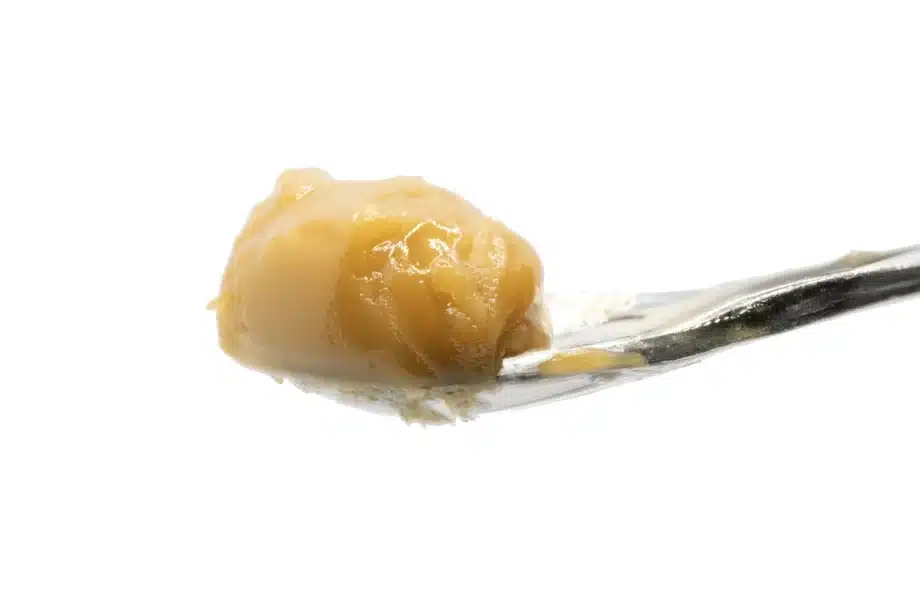
Rosin changes character after the press, and the texture in the jar tells you how it was finished. Fresh press is exactly what it sounds like: glossy, saucy, and unstable, at its loudest the day it was made and prone to changing in the jar. Cold cure, the finish we use, whips and settles the rosin at low temperature into a stable badder consistency that holds its terpenes at room temperature and handles cleanly on a tool. Rosin jam is a deliberate separation, letting a terpene-rich layer pool over crystallized cannabinoids. None of these textures is a defect and none is a gimmick; they are finishing choices. The one texture that should raise an eyebrow is hard and glassy, which in rosin usually means the material saw more heat than it should have.
How to spot quality live rosin
Four checks, in order. Color: quality rosin runs white, cream, or light amber; dark green-brown means plant material came along for the ride. Texture: badder, jam, and cold-cure consistencies are normal; hard, shatter-like rosin usually means heat abuse. The COA: terpene percentage and cannabinoid profile are printed on a real batch lab report, and a solventless product should still show a full contaminant panel. Publisher honesty: if the brand does not post batch results where you can read them, treat every other claim accordingly. Ours live on the Lab Results page, one QR scan from every jar.
Live rosin vs distillate: opposite ends of the spectrum
If live rosin is one pole of extraction philosophy, distillate is the other. Distillate strips the extract down to nearly pure cannabinoid, then adds flavor back afterward, sometimes with cannabis-derived terpenes, often with botanical ones. The result is consistent, cheap to produce, and interchangeable, which is exactly what mass-market carts want and exactly what live rosin refuses to be. A distillate cart from any brand tastes like the terpenes that were added; a live rosin jar tastes like a specific harvest of a specific strain, unrepeatable batch to batch. Neither is dishonest if it is labeled honestly. But they answer different questions, and the price difference between them is the cost of keeping the plant in the product. The middle ground between the two is covered in our live resin versus distillate guide.
Where to try it
Our Pure GOLD THCA live rosin is pressed from fresh-frozen, US-grown exotic hemp, cold-cured, and published batch by batch on the Lab Results page. It is small-batch in the literal sense: we press limited runs rather than warehousing solventless extract, so what is on the shelf is what exists of the current run, and when it sells through, it is gone until the next press. If you have been curious about solventless, that is the honest nudge to try it while this run lasts. And for the same fresh-frozen philosophy in an everyday format, our Pure GOLD live resin carts and disposables are extracted cold from the same starting material and live in the lineup year-round.
Why solventless costs what it costs
The price on a live rosin jar is mostly arithmetic. Washing hash returns only a small fraction of the flower’s weight as usable resin glands, and only well-grown, resin-heavy flower washes well at all, so the input material is already premium before the first bucket of ice. The flower has to move from harvest to freezer to wash to freeze dryer without ever warming up, which means cold-chain equipment and speed at every step. Then the press itself gives up yield on purpose to protect flavor. Solvent extraction exists precisely because it beats all of this arithmetic on efficiency. Solventless keeps losing that math on purpose, because what survives it is the point.
FAQ
Is live rosin solventless?
Yes, completely. Live rosin is made with ice water, freeze drying, heat, and pressure. No butane, propane, ethanol, or CO2 touches it at any stage, which is the defining difference from resin extracts.
Is live rosin stronger than live resin?
Not inherently. Potency depends on the batch, and the numbers are on each product’s COA. The real difference is process and flavor character: solventless versus solvent-extracted, not strong versus weak.
Why is live rosin so expensive?
Yields. Washing hash from fresh-frozen flower and pressing it wastes nothing but produces far less finished extract per pound of flower than solvent extraction, and the freezer chain adds cost at every step. You are paying for material efficiency working against you and flavor working for you.
Can you vape live rosin?
Yes, two ways: dabbed from the jar with a rig or dab pen at low temperature, or in live rosin carts built for it. The carts trade a little of the jar experience for convenience; our carts comparison guide covers how rosin and resin carts differ in practice.
What is the difference between rosin and resin?
Rosin is pressed out mechanically with heat and pressure, no solvent. Resin is extracted with a solvent that is then purged. “Live” in front of either word means the flower was fresh-frozen at harvest instead of dried and cured.
0 Comments